
 DUAL Group
 Austria
 Finland
 France
 Germany
 Ireland
 Italy
 Netherlands
 Spain
 Sweden
 Switzerland
 United Kingdom
 Europe
 Australia
 Hong Kong
 New Zealand
 Singapore
 USA
 Brazil
 Mexico
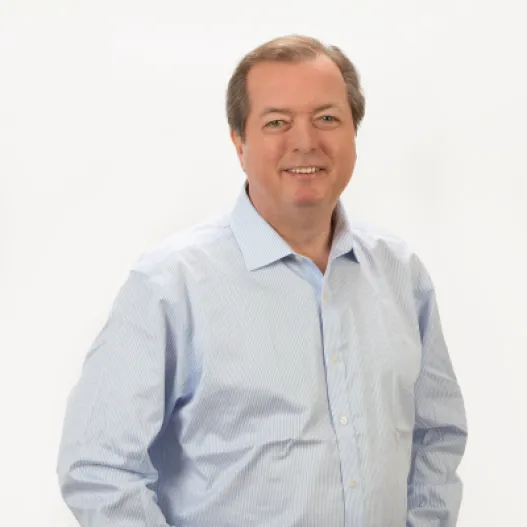
Underwriting Perspectives: Andreas Graham, EVP, DUAL Energy, on breadth, balance, and bold underwriting in a shifting energy market
 Prefer us on Google


We're not trying to be another line of coverage. We're the whole insurance solution.
Andreas Graham, EVP of DUAL Energy, joins us for this edition of our Underwriting Perspectives series to share how DUAL is building highly specialized energy and marine insurance solutions for a range of energy-sector businesses. Below, Andreas provides insights about the program and industry, based on decades of first-hand experience.
Q: Andreas, can you share some background about your program, including how your team approaches risk, and how your program is structured?
A: As an MGU, we see ourselves as service providers. When carriers support a delegated underwriting unit, they’re looking for niche expertise, program efficiency, and underwriting discipline, and that’s what DUAL brings. This matters most in specialty segments, where we can pool expertise that carriers haven’t built on their own. In our energy department, we’re always focused on how we can add value to the transaction between the insured and the carrier. As an industry-specific program, we’re positioned to offer insureds a well-rounded insurance solution and to act as a single-source provider for our partners.
Our team includes 16 underwriters, and growing, who are all subject matter experts in the energy industry with experience across multiple lines of coverage. For functions outside underwriting, such as marketing and IT, we draw on DUAL’s central support teams. Beyond the MGU structure, what sets us apart is that we’re a multi-program, industry-focused vertical rather than a single product line. Our appetite centers on middle-market contractors in the oil and gas and utilities segments. The team is organized regionally, so coverage is spread evenly across the areas of the US we serve. Structurally, Elliot Landes leads production and broker engagement, and Lorne Collier leads underwriting, risk selection, and pricing. Each program also has its own underwriting lead, and I oversee overall strategy, our relationship with our carrier partner, and the overall deliverables to DUAL.
Q: What about our energy program makes it unique in the market?
A: DUAL Energy’s main differentiator is the breadth of programs we support within the Energy group. We offer tailored solutions across casualty, inland marine, ocean marine, and workers’ compensation, allowing us to address a broad range of insurance needs across the energy sector. Many of our competitors concentrate on specific types of insurance, whereas our multi-line operation allows us to offer more touchpoints between DUAL and the insured.
Another key aspect of our business that sets us apart is the continuous feedback loop between claims and underwriting. We work directly with our in-house claims team to bring even richer expertise to our partners. This format makes us continuously stronger, because we can connect with their team about what’s happening in real-time with the policies we’re writing, to ensure we keep refining our underwriting guidelines and sharpening our understanding of the market. For example, one broad trend we’re seeing is the impact of contractual risk transfer provisions on liability and indemnity obligations. This is seen particularly where contractual language creates unintended exposures and results in parties assuming liabilities beyond those originally contemplated. From this, we partnered with claims on lunch-and-learns to share insights on contractual language with our underwriters, helping us better evaluate contractual exposures and refine our underwriting approach.
Q: How do innovation and underwriting discipline work together in your program?
A: Innovation and discipline are not opposing forces. They reinforce each other, and in my view, innovation promotes discipline. At its core, underwriting depends on skilled risk selection. Yet even the most talented underwriters can spend too much time on manual tasks or chasing information that isn’t essential to selecting a risk. A critical part of my role is setting the guardrails that keep us efficient. While pricing tools, assisted workflows, and similar technology help reclaim time, tools only sharpen decision-making and improve outcomes when they’re relevant to the process at hand.
The overarching goal is to guide decisions and improve outcomes without adding manual steps. We don’t treat an account as a checklist. Rather, we think through each risk individually and look for ways to move faster without cutting corners. Because our space is so specialized, genuinely new products are rare, so our value comes from getting better and more efficient with every account across our existing suite. For us, discipline means continually improving our process and underwriting guidelines in ways that support our partners.
Q: How has talent recruitment influenced the way you run your program?
A: Talent is deeply important to me and to DUAL as a whole. Our main underwriting unit for the energy program is based in Philadelphia, where we have a lively, connected team of experienced, tenured underwriters with deep subject matter expertise. Our program leads have spent decades in their niches, and their knowledge and leadership help the whole team succeed. We’re actively growing, particularly in workers compensation, where we’re looking to add more local expertise. Some of our recruiting happens through partnerships with the risk management programs at local universities such as Temple University, but we’re always excited to meet talented energy experts wherever they come from.
Our internship program is another key part of talent development. Built by Elliot Landes, SVP, Workers Compensation, this program now runs as a standardized eight-week track for a couple of interns each year. Interns rotate through the disciplines within our program over the summer, which gives them early exposure to multiple programs and hands-on learning alongside the Philadelphia team. We’ve hired several of them full time, and they’ve moved up quickly at DUAL.
Q: So, what’s next in the energy sector and how are you actively adapting to emerging risks?
A: Energy needs are changing, and we’re seeing a few key trends in response on the insurance side:
- Technology and AI in underwriting – We believe strongly that AI should never replace human underwriters or automate underwriting decisions. That said, new tools are emerging every day that make underwriters more efficient without sidelining their expertise. When our team evaluates technology, we focus on tools that improve areas like information discovery and communication with our partners, not ones that encroach on our decision-making.
- Economic volatility – Economic disruption affects every business, but ours is especially exposed to shifting oil prices. Producers and insurers both prefer stability and a predictable drilling market, and right now conditions are somewhat turbulent.
- Changing demand – The rollout of new data centers is driving rising demand for power. While we don’t write the construction of the centers themselves, the increased demand means many of our utility contractor clients are seeing a surge in work. This creates opportunities for us to deepen those partnerships.
- Market uncertainty – The energy sector faces headwinds from tariffs, changing technology, and more. Even so, the market remains fairly robust, with rising demand not only in utilities but in oil and gas as well.
DUAL Energy offers a suite of specialized insurance products designed to meet the unique challenges of the energy casualty and ocean marine industries, including supporting lines and business segments. Our comprehensive coverage options, which include energy casualty, ocean marine, inland marine, and workers compensation, provide robust protection tailored to the specific needs of energy sector businesses.
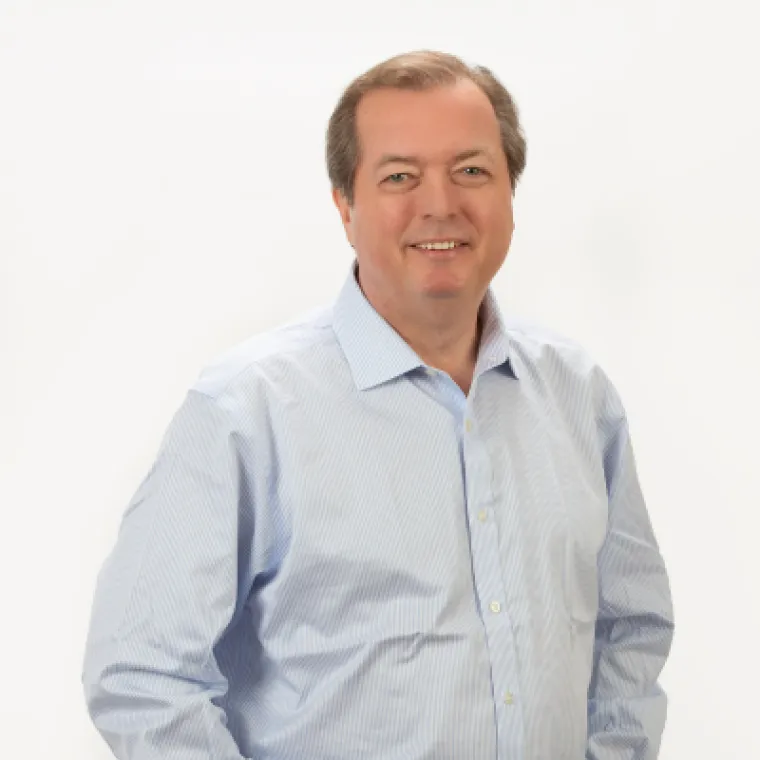
For more information about our DUAL Energy program, you can reach Andreas at [email protected] or visit our website.

Contact the expert
This marketing material is for informational purposes only and does not constitute an offer or solicitation of insurance or legal or other advice. Coverage availability and eligibility may vary by state and is subject to underwriting, policy terms, conditions, limitations, exclusions and applicable regulatory approval. All coverage is subject to the terms, conditions, limitations, and exclusions of the applicable policy.
More perspectives from our leaders



Never miss an update.
Sign up for our mailing list.